
Protests across France, Spain, Portugal, Italy, Albania and Serbia highlight growing public frustration over economic hardship, housing costs, education and government accountability.
Several European countries are witnessing widespread demonstrations as citizens take to the streets over rising living costs, unemployment, inadequate public services and corruption.
In France, protests initially began three weeks ago when students demanded improvements in schools and an end to teacher shortages. Labour unions later joined the demonstrations, raising concerns about inflation and economic conditions.
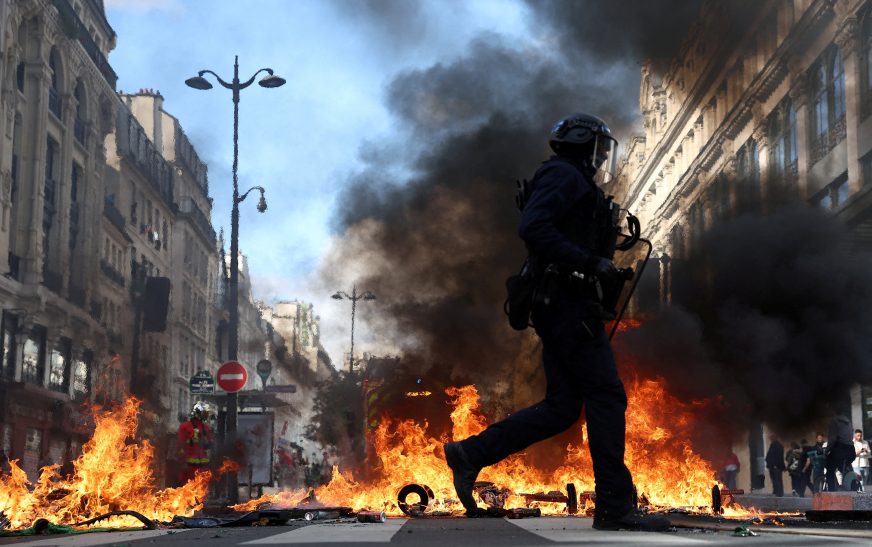
The protests turned violent in several French cities, including Paris, with incidents of looting and arson reported. Authorities said approximately 2,400 people had been arrested and hundreds injured.
In Spain, demonstrators have established protest camps in Madrid over soaring housing costs. Protesters say the country’s minimum monthly wage stands at €1,221, while average apartment rents have reached approximately €1,130. Early elections have been announced for November after proposed housing relief measures failed to secure parliamentary support.
Similar demonstrations are taking place in Portugal, where residents are demanding action against rising property prices and rents.
In Italy, thousands of protesters have gathered to express frustration over inflation, low wages and inadequate healthcare and education services.
Meanwhile, anti-government demonstrations continue in Albania’s capital, Tirana, where protesters, including students, are demanding the prime minister’s resignation over corruption allegations.
Serbia has also experienced nearly two years of student-led anti-corruption protests, with political tensions increasing ahead of parliamentary elections scheduled for October 25.
Although the immediate causes of the demonstrations differ across countries, concerns over economic insecurity, employment opportunities, affordable housing and access to essential services have emerged as common grievances, particularly among younger Europeans.