
The US midterm elections have been unusual not only because of their results, but also because of something new seen in political campaigns this year. After World War II, the word “Communism” became very important in American politics. Communism challenges the basic foundations of the American capitalist system, particularly class interests and private ownership. For this reason, it has long been seen as an enemy of the Western political and economic system. Once a large section of the public began to see it as a common enemy, the term became an easy tool to silence opposing voices.
This is why Communism has been used for decades as a political weapon against rival candidates and parties. Republicans have often tried to convince Americans that if Democrats come to power, they will introduce Communism and destroy the economic structure on which American society is built. During the New York mayoral election, President Donald Trump used the same tactic against Muslim candidate Zohran Mamdani, repeatedly calling him a socialist.
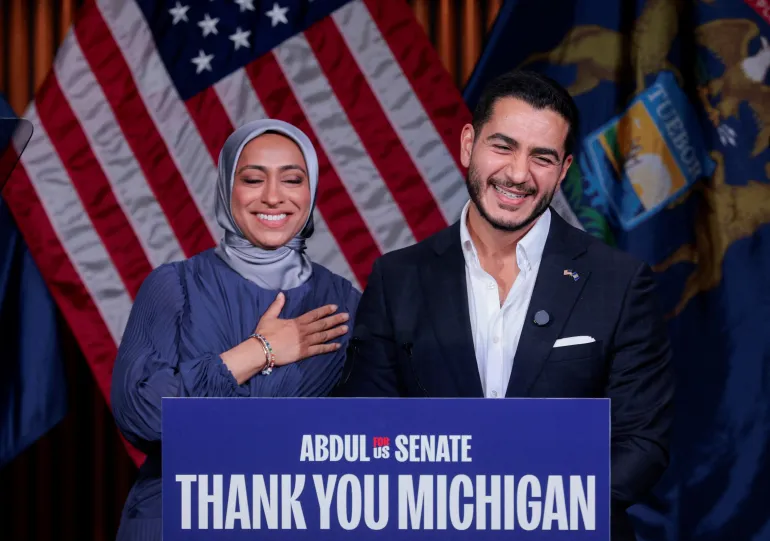
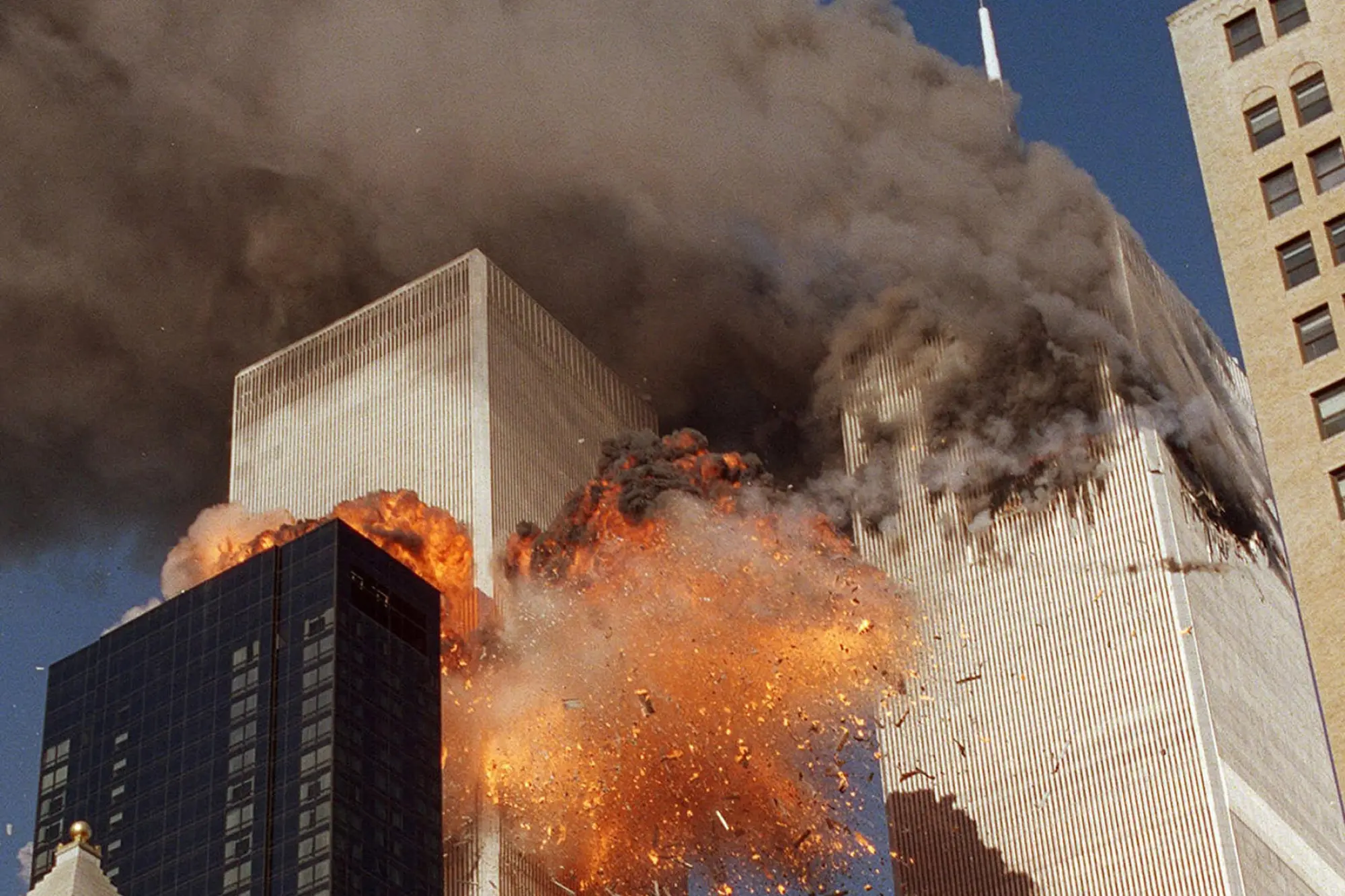
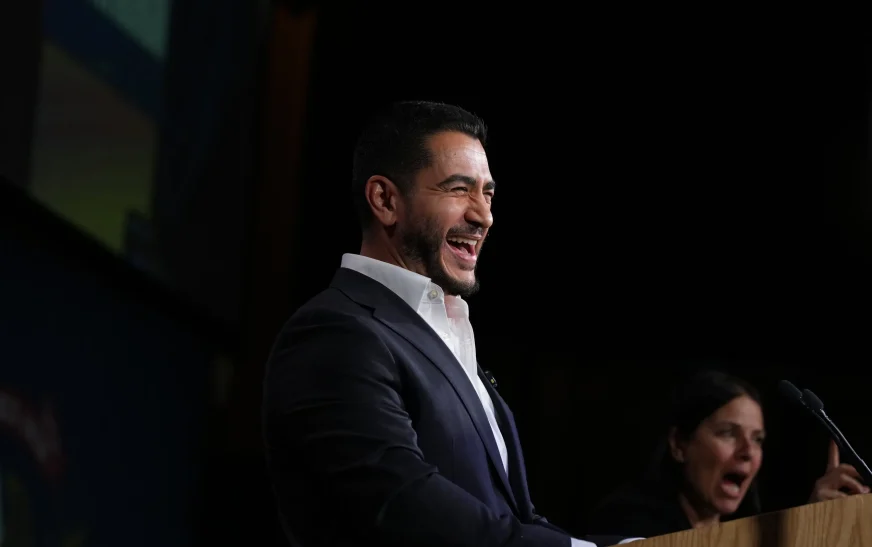
Similarly, after 9/11, terms such as “Islamism”, “Terrorism” and “Jihadism” became part of Islamophobic narratives. These words were increasingly used against political opponents to influence the voting behaviour of American citizens. This year, a new term, “Muslim Brotherhood”, was added to this list. It was repeatedly used in political campaigns against Democratic Senate candidate Abdul El-Sayed in Michigan.
At first glance, this appears to be another example of the same Islamophobic narrative. It follows a pattern in which political labels such as Communism and other terms have long been used against opponents. However, this narrative is also linked to Donald Trump’s political relationships.
The Muslim Brotherhood does not currently pose any direct practical threat to the United States, as the organisation believes in democracy. However, after the Arab Spring, it emerged as a challenge, particularly for Arab governments. In Egypt, the organisation even formed a government after winning elections. Today, Arab states, especially Egypt, are allies of Donald Trump.
During a private meeting at the White House in 2019, Egyptian President Abdel Fattah el-Sisi urged Trump to designate the Muslim Brotherhood as a foreign terrorist organisation. In early 2026, Trump partially fulfilled this promise, and the United States designated several branches of the Muslim Brotherhood as terrorist organisations. A 2026 US counterterrorism strategy report quoted Trump as describing the Muslim Brotherhood as the foundation of all terrorist organisations.
Abdul El-Sayed had previously stated publicly that US military aid to Egypt should be ended. This made the use of the “Muslim Brotherhood” label against him even more politically significant.
However, the US midterm elections have challenged this old political tradition, in which rival candidates relied on familiar labels and narratives to attack one another. This year, real issues such as inflation, the war with Iran, and the bombing of children appeared to have a greater impact on American public opinion. Will this trend continue?