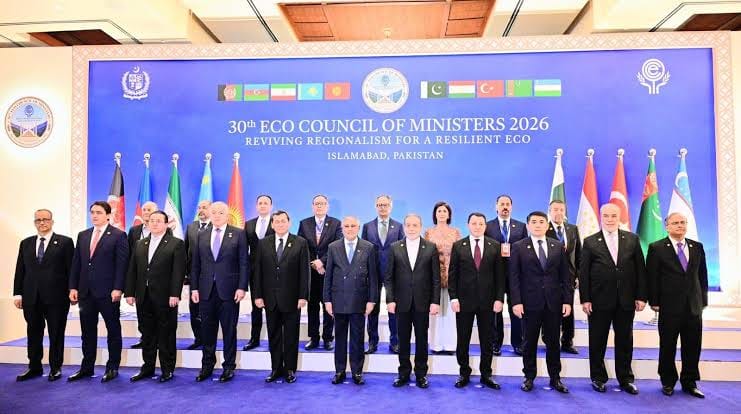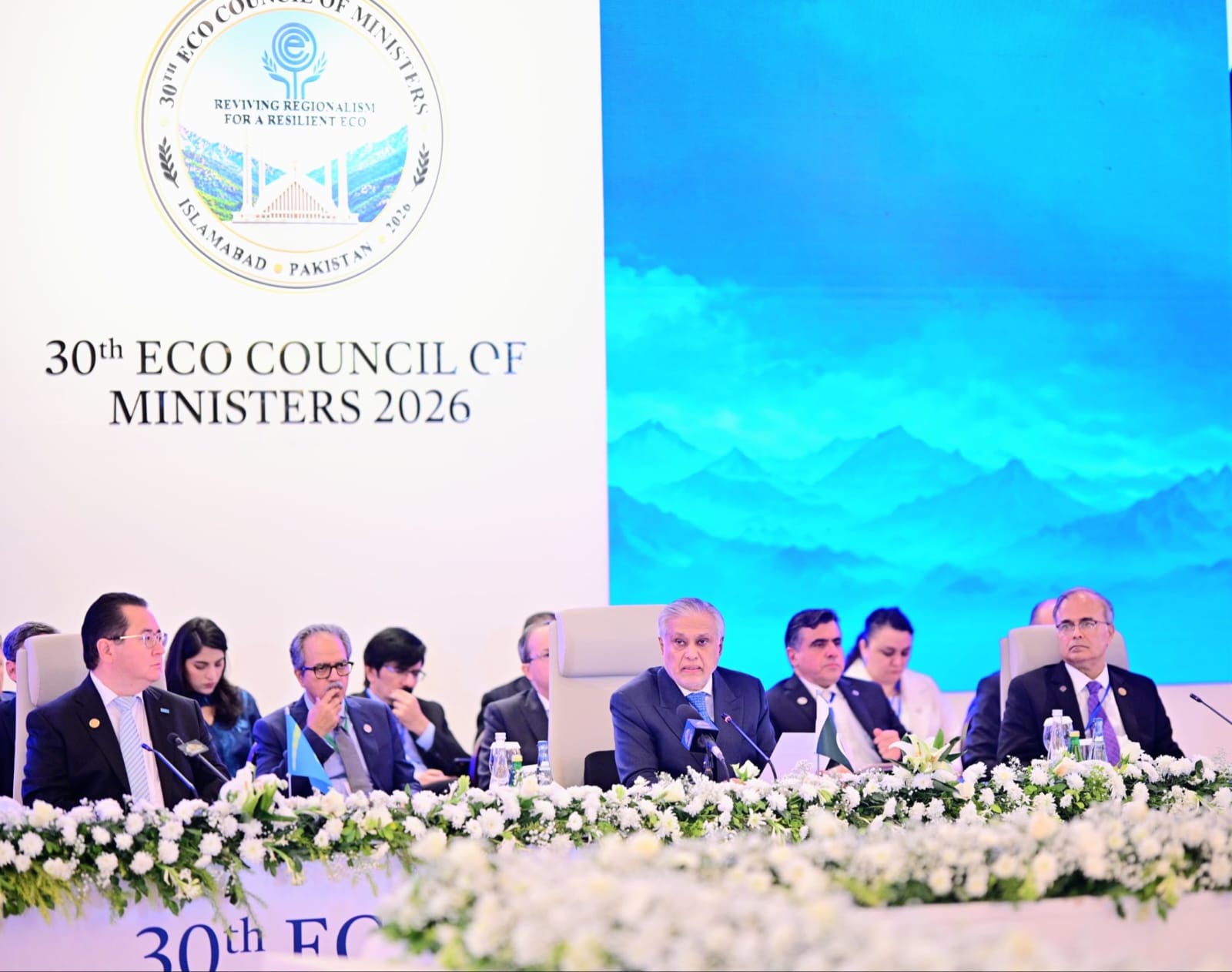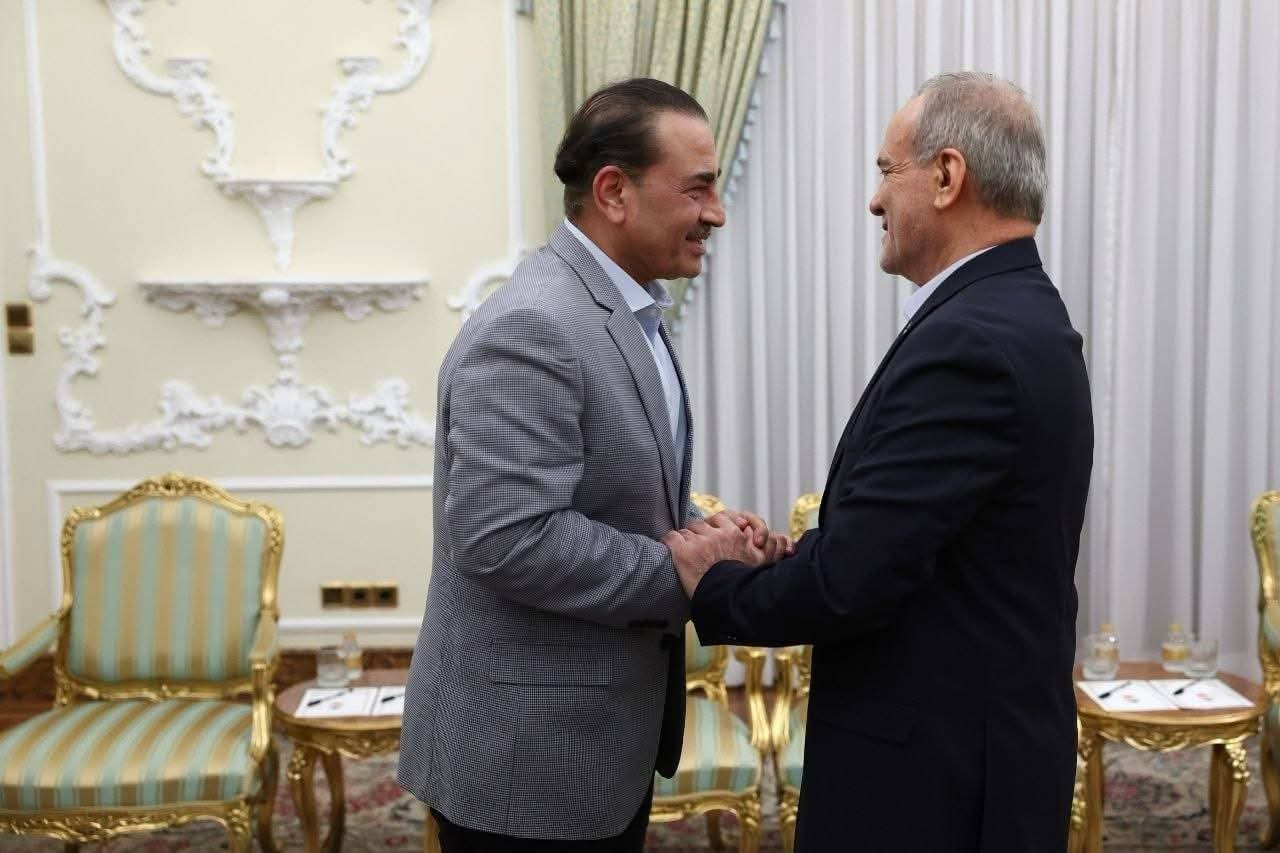

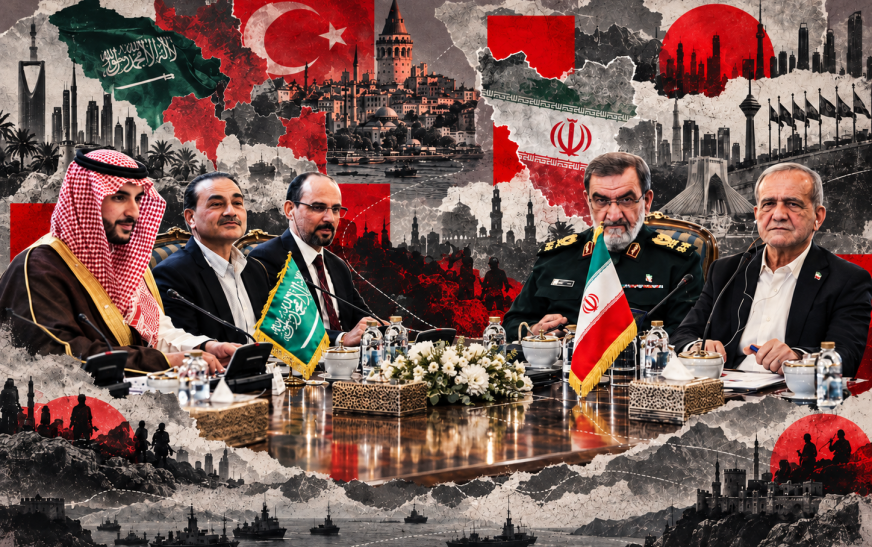
A high-level meeting in Tehran involving Iran, Pakistan, Türkiye, and Saudi Arabia has emerged as a significant diplomatic development, bringing four major regional powers together to discuss shared security challenges and regional stability.
Iran is presenting the meeting as more than a diplomatic engagement, describing it as a potential step toward establishing a new regional security framework.
The key question is whether this gathering could reshape the balance of power in the Middle East?
Mohsen Rezaei, a senior Iranian national security official, described the meeting as the beginning of a regional transformation. He argued that cooperation among the four countries could help resolve several longstanding regional challenges.
According to Rezaei, the willingness of three major countries to engage with Iran despite American threats suggests that Washington’s influence is no longer as dominant as it once was.
He also advocated a regional security framework led by countries within the region rather than external powers.
This position highlights Tehran’s broader ambition to play a central role in regional security arrangements while reducing American involvement.
Oman’s Foreign Minister, Badr Albusaidi, also emphasized that lasting security in the Persian Gulf would not be possible without Iran’s participation. He argued that excluding Iran from regional security arrangements over the past five decades had produced negative consequences for the entire region.
Iranian-American academic Vali Nasr noted in his analysis that Tehran was referring to the gathering as the “Tehran Summit.” According to Nasr, this terminology suggests that Iran envisions an alternative regional security arrangement in which it would seek a central role.
The meeting, reportedly initiated at Field Marshal Asim Munir’s proposal, also highlights Pakistan’s diplomatic role. Islamabad has been pursuing efforts to reduce tensions between Iran and the United States while promoting dialogue among regional countries.
The discussions also addressed the conflicts involving Gaza, the West Bank, southern Lebanon, and southern Syria, with calls for an end to Israeli attacks and withdrawal from these territories.
In a joint statement issued after the October 26 meeting, the four countries agreed to continue dialogue and strengthen cooperation on regional peace and security.
However, it remains premature to describe the meeting as the foundation of a new military alliance.
The central question is whether Iran, Pakistan, Türkiye, and Saudi Arabia can overcome their differences and translate diplomatic engagement into a coordinated regional security strategy.
For now, the Tehran meeting represents an important opening for regional diplomacy, but its long-term impact on the Middle East’s balance of power will depend on concrete agreements and sustained cooperation.